Don’t Ignore Post-Summer Injuries: How Physiotherapy Gets You Back on Track
Zen Physiotherapy • August 5, 2026
Summer activities often leave active individuals dealing with lingering aches as autumn approaches. Whether you spent the season hiking near Spencer Smith Park or playing recreational sports, pushing your physical limits can result in hidden musculoskeletal strain. At Zen Physiotherapy, we recognize that ignoring these minor discomforts allows them to mature into chronic joint dysfunction. Seeking clinical evaluation early ensures that your body recovers correctly.
Addressing these issues requires more than just waiting for the pain to fade. A targeted approach identifies the root cause of the discomfort and prevents scar tissue from limiting your mobility. Proper physiotherapy provides the exact clinical interventions needed to heal strained ligaments and overworked muscles.
What We Cover:
- The Hidden Toll of Summer Activities
- Why Resting at Home Often Prolongs the Damage
- How Do You Treat A Recurring Sports Strain?
- Clinical Rehabilitation Restores Proper Joint Mechanics
- Securing Your Long-Term Mobility
The Hidden Toll of Summer Activities
Increased physical output during the warmer months places an unusual load on your joints and soft tissues. Tendons that remain relatively dormant over the winter are suddenly forced to support dynamic movements. This rapid shift in activity volume frequently creates microtears in the muscle fibers. Without proper recovery protocols, these tiny injuries accumulate and trigger localized inflammation that persists well into the fall.
→ From a professional standpoint: Unresolved inflammation alters your natural movement patterns as your body subconsciously shifts weight to avoid pain.
Why Resting at Home Often Prolongs the Damage
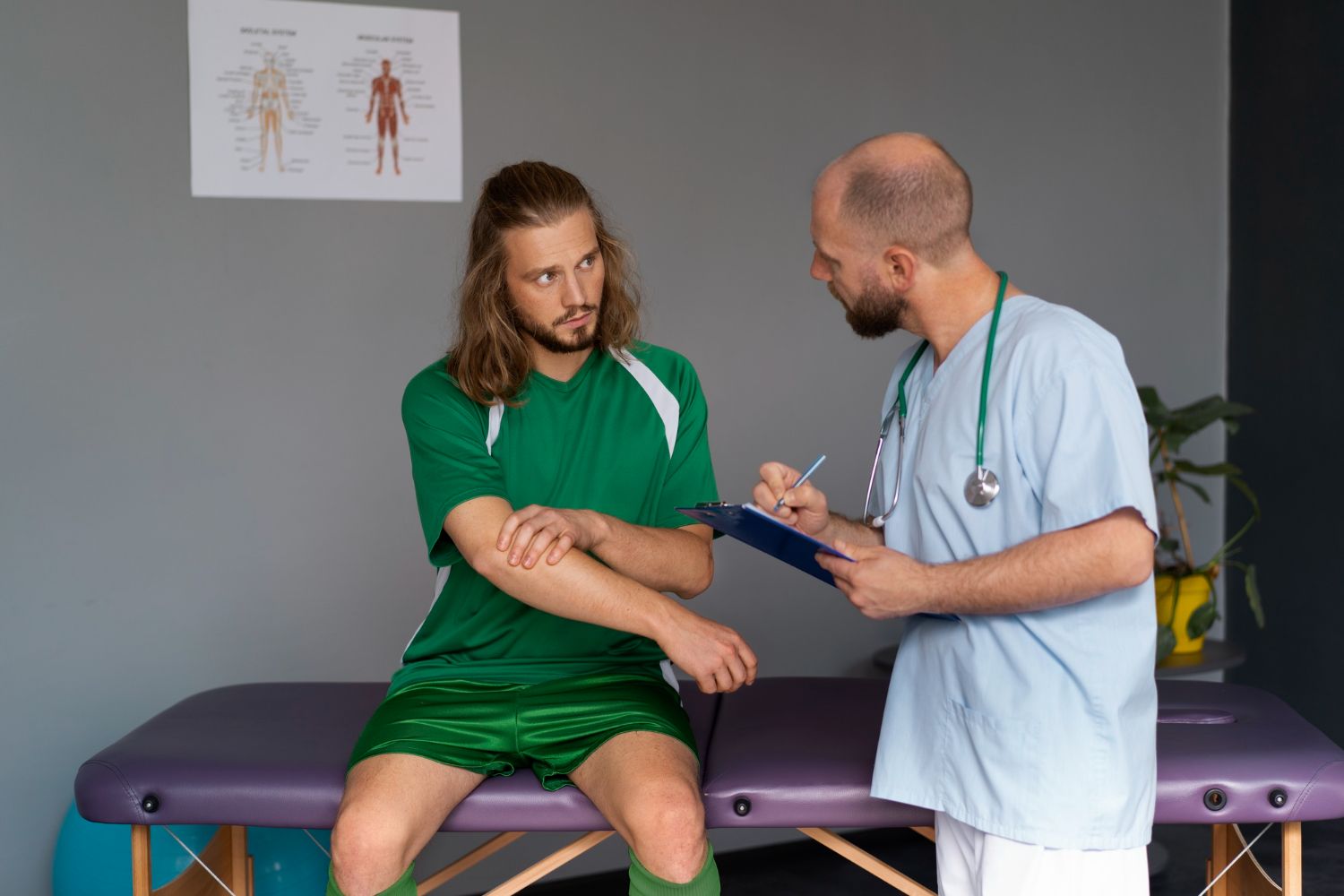
Many people assume that simply resting on the couch will cure a pulled hamstring or a sore shoulder. While immediate rest is helpful right after an injury, prolonged inactivity causes the healing tissues to stiffen and adhere to surrounding structures. Attempting to rehabilitate a joint using unverified online stretching routines commonly exacerbates the problem by applying the wrong type of tension to a fragile area. DIY recovery attempts often miss the underlying biomechanical imbalances that caused the injury in the first place.
This is a pattern the team at Zen Physiotherapy hears regularly.
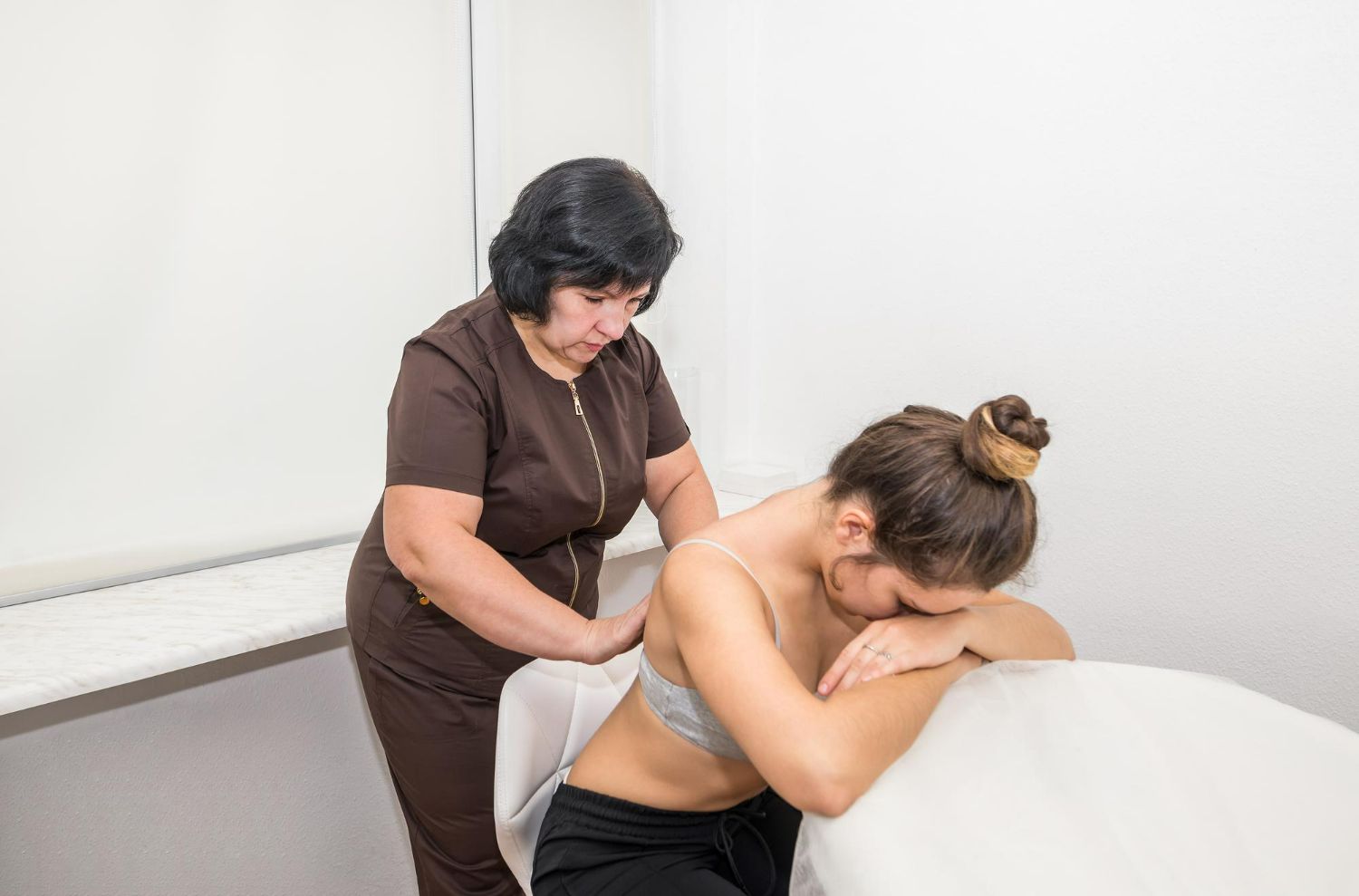
►Client Experience: Hussain Fathi shared “I had been dealing with pain in my left leg, especially in my quads, for a few months, and their treatment really helped me recover. Through physiotherapy sessions that included massage and targeted exercises over 3 months, my leg feels much better now.”
Professional guidance ensures that the right muscles are targeted safely to restore function, just as Hussain experienced.
How Do You Treat A Recurring Sports Strain?
When a muscle strain keeps returning, it indicates that the tissue never healed with the correct tensile strength. Treating a recurring issue involves progressively loading the muscle under controlled clinical supervision rather than just stretching it. A physiotherapist analyzes the specific movement that triggers the pain and prescribes exercises that rebuild the tissue fibers along their natural lines of stress. This clinical strategy prevents the formation of weak scar tissue that is prone to tearing again.
→ A quick tip to remember: Applying ice is useful for acute swelling, but chronic recurring strains often respond better to heat and active mobility exercises.
Clinical Rehabilitation Restores Proper Joint Mechanics
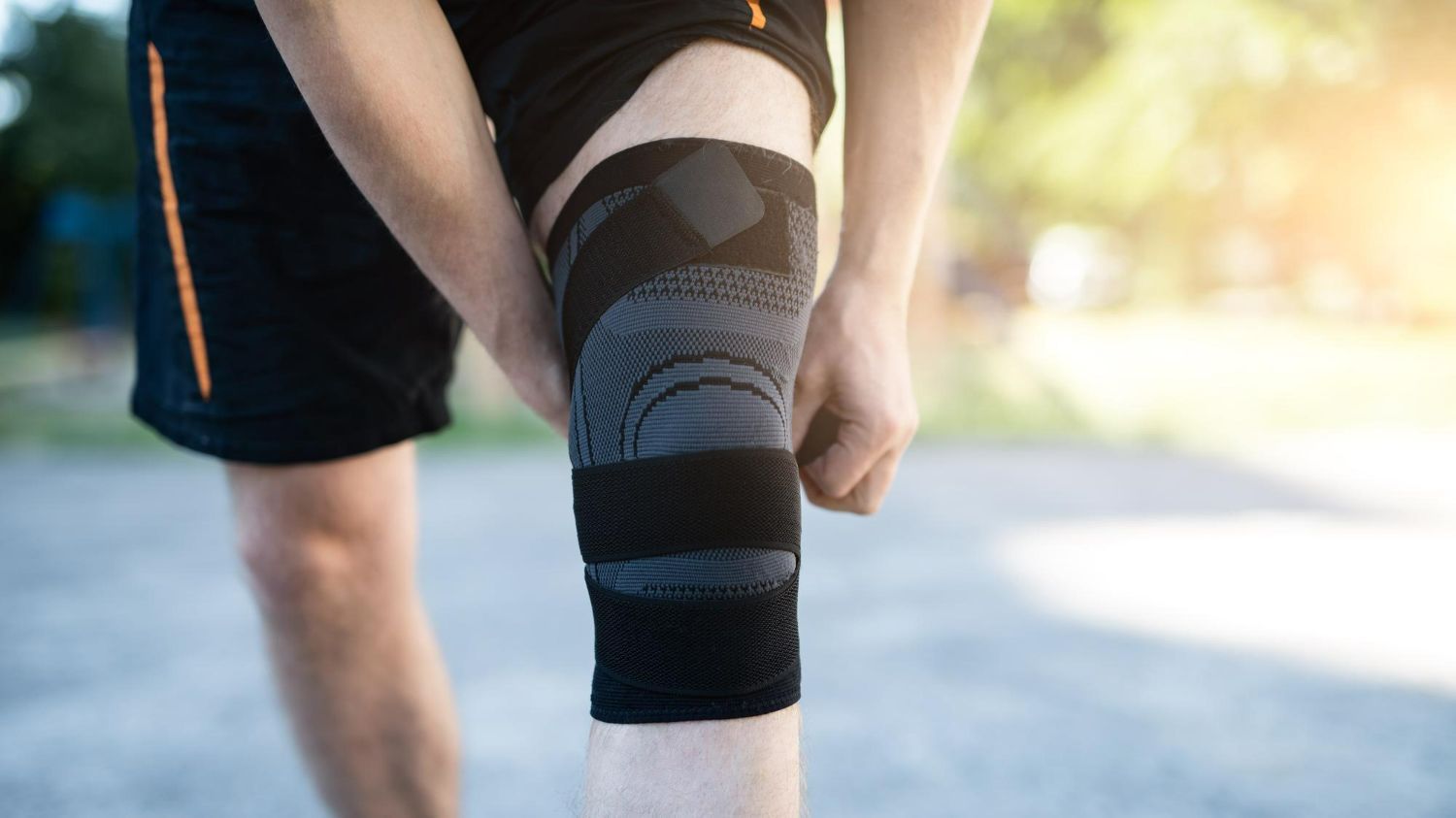
Proper healing requires a methodical approach to joint stability and muscle endurance. Clinical rehabilitation focuses on correcting the compensatory habits your body developed while you were injured. By integrating custom bracing or targeted manual techniques, therapists ensure that your joints move smoothly through their full intended range. This clinical oversight bridges the gap between basic pain relief and a safe return to your preferred athletic activities.
Securing Your Long-Term Mobility
Lingering summer injuries do not have to dictate your physical capabilities for the rest of the year. Taking a proactive step toward clinical care protects your joints and ensures you remain active safely. Contact our clinic to schedule an assessment and start your guided recovery program today.
Share This Blog