
Tackling Cold Weather Vein Pain With Medical Compression Stockings
Zen Physiotherapy • October 20, 2026
As the winter frost sets in across Burlington, many individuals notice a sharp increase in lower leg aches and swelling. A drop in atmospheric temperature causes blood vessels to constrict, making it significantly harder for the circulatory system to push blood back up to the heart. At Zen Physiotherapy, we provide clinical solutions to combat these seasonal vascular challenges. Utilizing medical compression stockings is a highly effective, non-invasive method for managing cold weather vein discomfort.
Patients often endure heavy, tired legs unnecessarily because they misunderstand how clinical compression functions. These specialized garments are engineered to provide precise, graduated pressure that supports the venous valves. Addressing circulatory issues promptly prevents minor swelling from progressing into chronic venous insufficiency.
What We Cover:
- The Physiological Impact of Dropping Temperatures
- The Truth About Sizing and Daily Wear
- Timelines for Vascular Symptom Relief
- Frequently Asked Questions
- Taking Action for Your Vascular Health
The Physiological Impact of Dropping Temperatures
Cold weather forces the body to prioritize core heat retention, which naturally reduces peripheral blood flow to the extremities. For individuals with compromised venous valves, this vasoconstriction exacerbates the pooling of blood in the lower legs. The stagnant fluid leaks into the surrounding soft tissues, causing the classic swelling and heavy sensation associated with winter vascular pain.
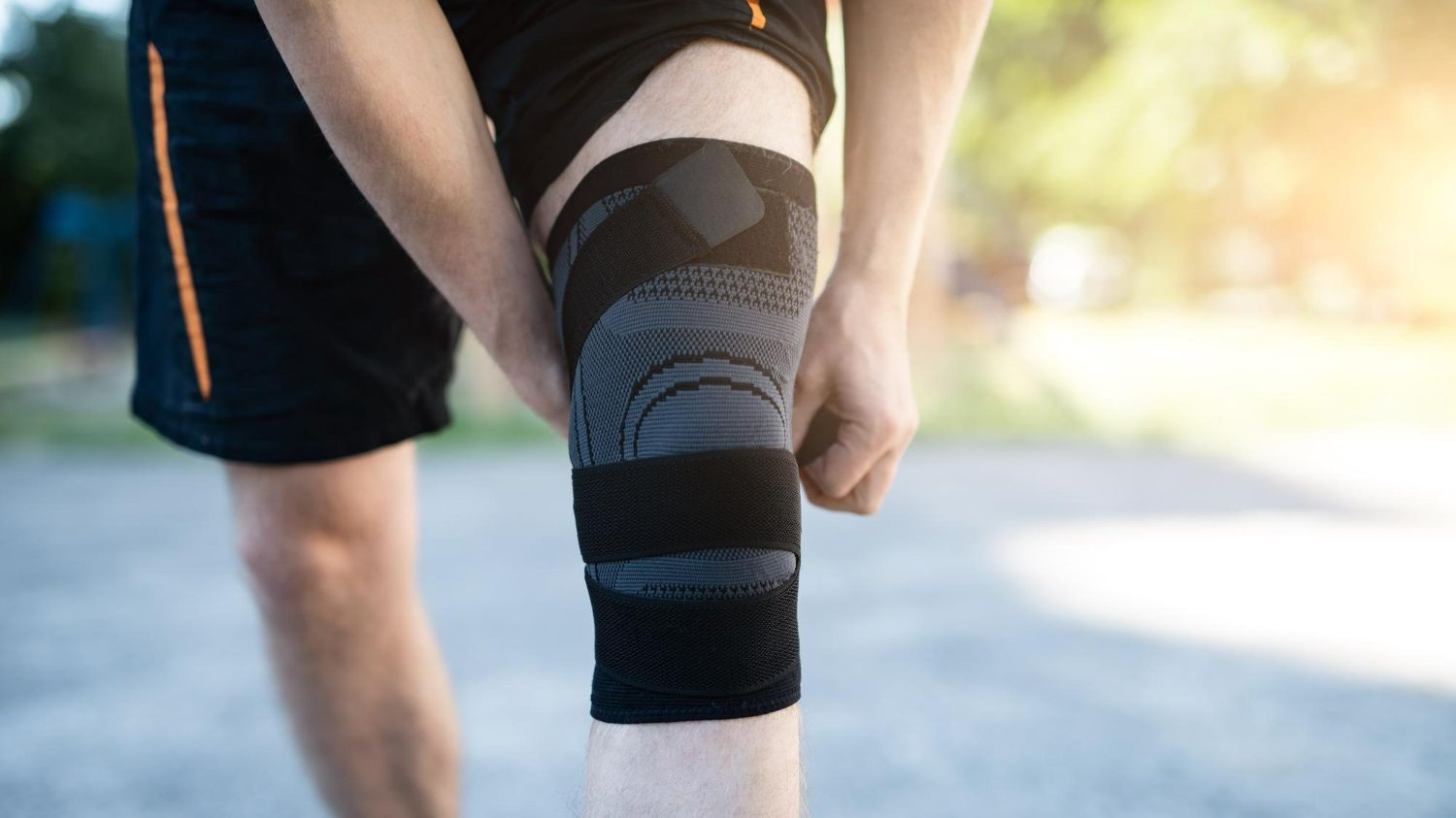
Medical compression directly counteracts this physiological response. By applying the tightest pressure at the ankle and gradually decreasing it toward the knee or thigh, the stockings act as an external muscle layer. This mechanical assistance physically forces the pooled blood upward against gravity, ensuring that circulation remains active even when the environmental temperature drops.
→ From a professional standpoint: Wearing standard winter socks provides warmth but does absolutely nothing to support venous return or prevent fluid accumulation.
The Truth About Sizing and Daily Wear
A common misconception is that buying tight, over-the-counter travel socks yields the same results as medical-grade garments. Off-the-shelf options rarely account for the specific anatomical contours of an individual patient's calf and ankle. If a stocking binds too tightly behind the knee, it effectively creates a tourniquet that completely halts venous return, making the swelling drastically worse.
Proper intervention requires precise clinical measurements taken early in the morning when leg edema is at its lowest. A certified fitter calculates the exact circumference and length required to deliver the physician-prescribed pressure rating. This meticulous sizing process ensures that the garment delivers therapeutic benefits without causing painful skin indentations or restricting arterial blood flow.
Timelines for Vascular Symptom Relief
Patients often expect their varicose veins to vanish entirely after a few days of wearing compression therapy. While these garments are highly effective at halting the progression of venous disease, they do not erase existing structural vein damage. However, the symptomatic relief is usually immediate. Most patients notice a dramatic reduction in leg fatigue, throbbing, and evening ankle swelling by the end of their very first day of wear.
Long-term use prevents the development of deep vein thrombosis and stops new spider veins from forming. Consistency is the deciding factor in achieving these clinical outcomes. The stockings must be put on before getting out of bed in the morning and worn continuously until the evening to prevent gravity from initiating the fluid pooling process.
→ A quick tip to remember: Replacing your garments every six months is mandatory, as the elastane fibers inevitably degrade and lose their specific compression gradient over time.
Frequently Asked Questions
Are these garments difficult to put on every morning?
Medical-grade stockings are intentionally tight, which can make them challenging to pull over the heel initially. Using specialized donning gloves provides the necessary grip to slide the fabric up the leg without tearing the material. Additionally, various clinical devices, such as wire donning butlers, are available to help patients with limited hand strength or mobility issues apply their garments effortlessly.
Can I sleep while wearing my prescribed stockings?
You should never wear daily compression garments to bed unless explicitly instructed to do so by a vascular specialist or surgeon. When you are lying flat, gravity is no longer impeding blood flow back to your heart, making the high levels of compression unnecessary. Wearing them overnight can actually restrict normal resting circulation and lead to severe discomfort or skin complications.
Do I need a formal prescription to purchase them?
While lower compression levels are available without a prescription, obtaining medical-grade compression generally requires a doctor's referral. This ensures that a healthcare provider has ruled out arterial disease, a condition where strong compression is strictly contraindicated. A prescription is also usually required for the cost of the custom-fitted garments to be reimbursed by your extended health insurance provider.
Taking Action for Your Vascular Health
Do not let the cold weather dictate your comfort or limit your daily mobility. Properly fitted compression therapy provides the mechanical support your circulatory system desperately needs during the winter months. Reach out to our clinic to schedule a professional measurement and secure the exact garments required for your vascular health.
Share This Blog