The Clinical Truth About Medical Compression Stockings for Desk Workers
Zen Physiotherapy • November 18, 2026
Most professionals spend eight to ten hours a day anchored to an office chair. This prolonged inactivity allows blood to pool in the lower extremities and creates significant pressure on the venous system. At Zen Physiotherapy, we frequently consult with office workers dealing with unexplained leg fatigue and swelling. The conversation almost always reveals a deep misunderstanding about how to properly manage lower leg circulation.
The public perception of venous support is largely outdated. Many individuals dismiss the idea of using Medical Compression Stockings because they associate them strictly with hospital recovery or the elderly. This article breaks down the physiological reality of prolonged sitting and explains the mechanics of proper circulatory support. Understanding these clinical facts prevents minor swelling from developing into chronic venous issues.
Here is what we cover today:
● The sitting problem: How desk work impacts leg circulation over time.
● The clinical difference: Why medical garments differ entirely from tight retail socks.
● Preventative action: Why stationary professionals actually need this physical support.
● Frequently Asked Questions: Essential details on getting the right clinical fit.
The Physiological Toll of the Modern Office
People commonly assume that sitting represents harmless rest for the body. Clinical knowledge dictates that the human circulatory system relies heavily on the calf muscle pump to push blood against gravity back toward the heart. When you sit completely still for hours, that vital muscular pump deactivates entirely.
Blood naturally begins to pool in the lower legs due to gravity. This pooling forces the tiny, delicate valves inside your veins to hold back a significant amount of fluid pressure. Over months and years of stationary work, these valves stretch and weaken. The resulting condition is known as chronic venous insufficiency, which presents as heavy legs, visible spider veins, and painful swelling by the end of the workday.
The Medical Compression Stockings Misconception
A widespread myth suggests that buying any tight sock from a retail store will fix leg swelling. The clinical reality is that uniform tightness actually restricts blood flow rather than improving it. Wearing a sock that squeezes your calf just as tightly as your ankle creates a tourniquet effect, trapping blood in the lower leg and worsening the pressure on your veins.
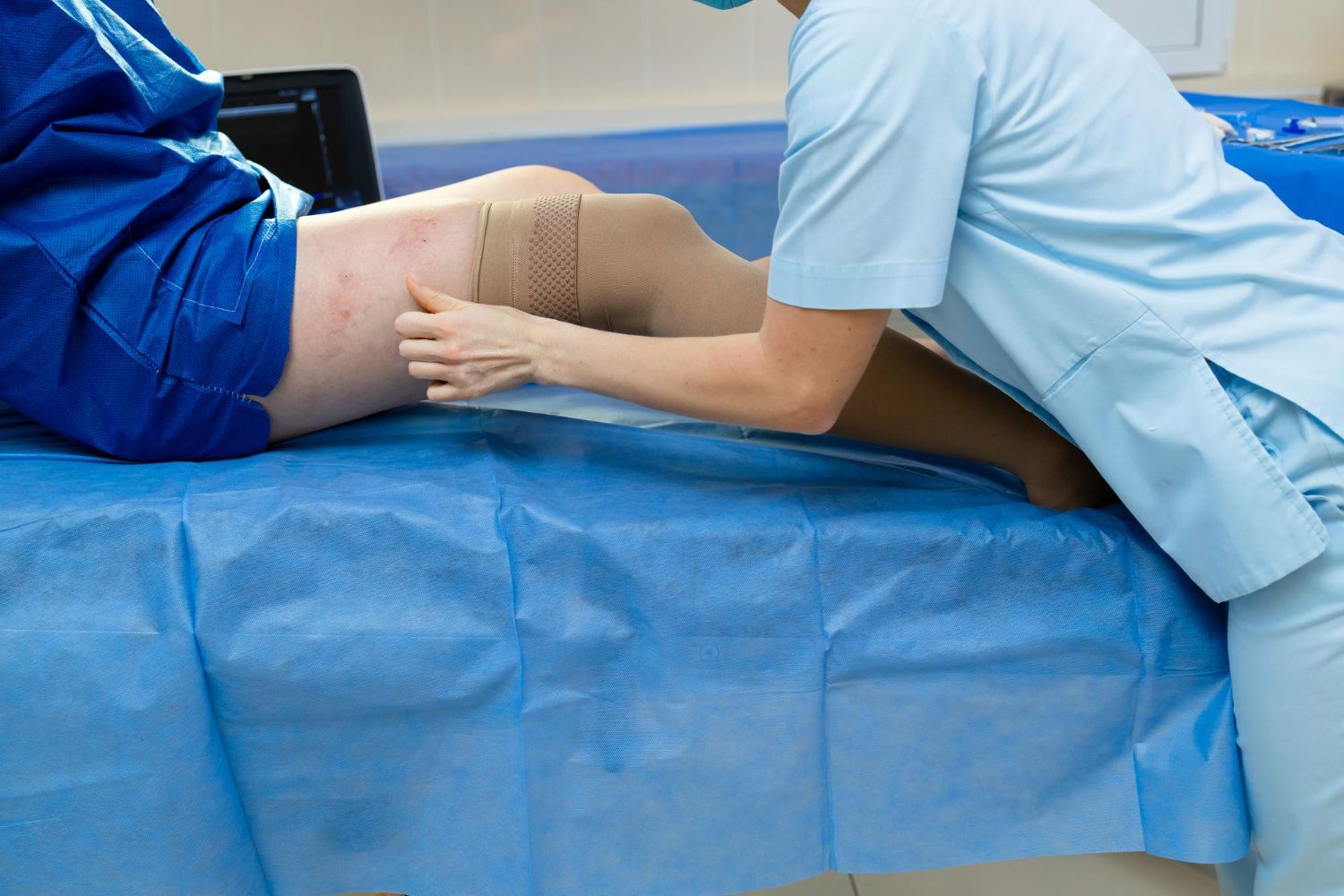
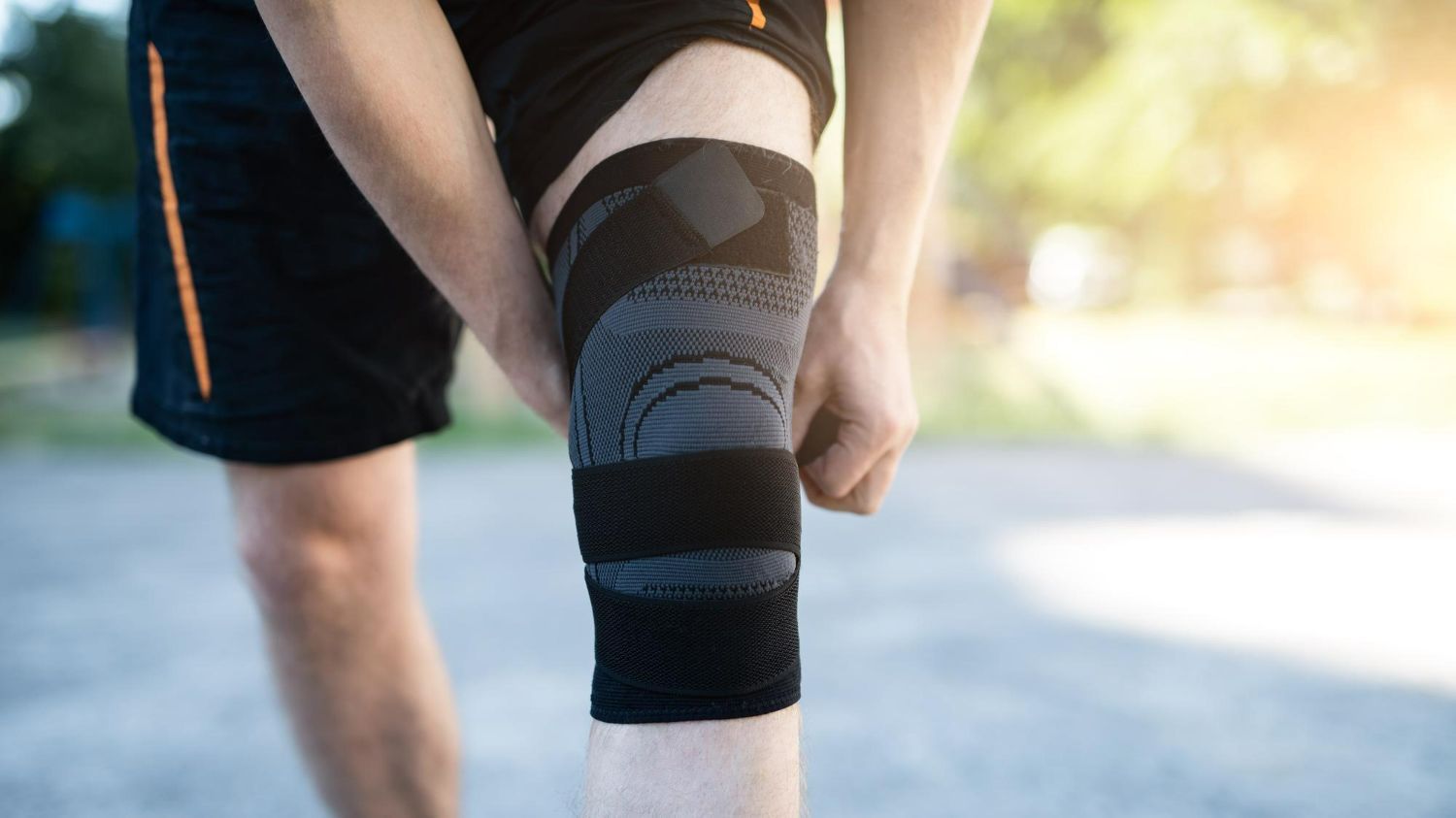
True Medical Compression Stockings utilize a precise mechanical gradient. They are manufactured to be tightest at the ankle and gradually decrease in pressure as they move up the leg. This specific gradient acts as an external muscle, physically forcing the pooling blood upward and preventing your venous valves from failing under the weight of gravity.
Patients often wonder if they actually need medical compression stockings if they sit at a desk all day. The clinical answer is a definitive yes. If you experience shoe tightness by 5:00 PM, throbbing ankles, or general leg fatigue, your venous system is actively struggling to keep up with your sedentary routine. Graduated compression provides the exact physical support your circulatory system loses when you stop walking.
Integrating Preventative Clinical Support
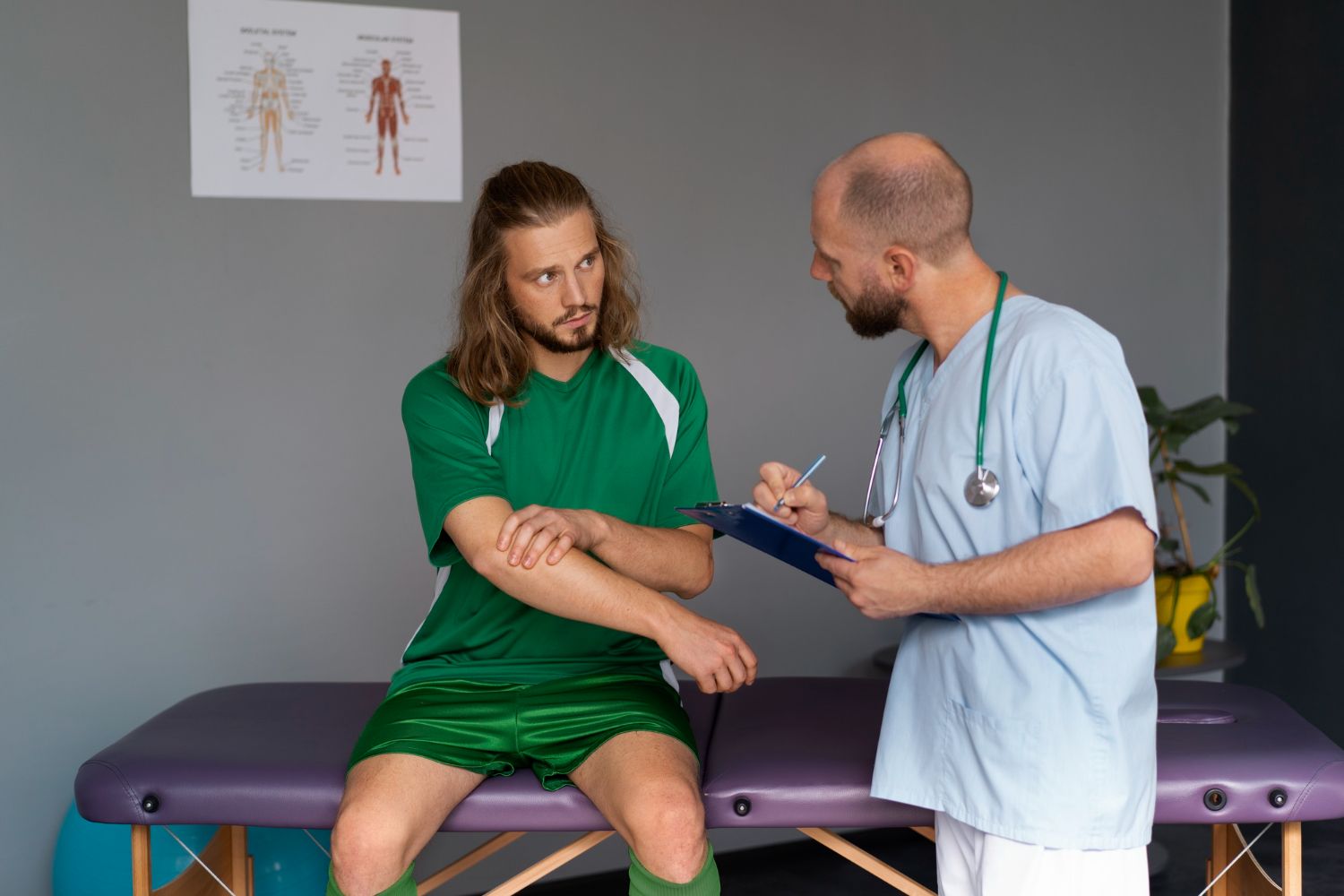
Treating circulatory issues requires an accurate clinical assessment rather than guesswork. A healthcare provider must evaluate the severity of your swelling to prescribe the exact millimeter of mercury compression level your veins require. Over-the-counter options simply cannot match the tailored support of a measured, prescribed medical garment. We ensure the fit matches your anatomy perfectly to avoid pinching or rolling during your workday.
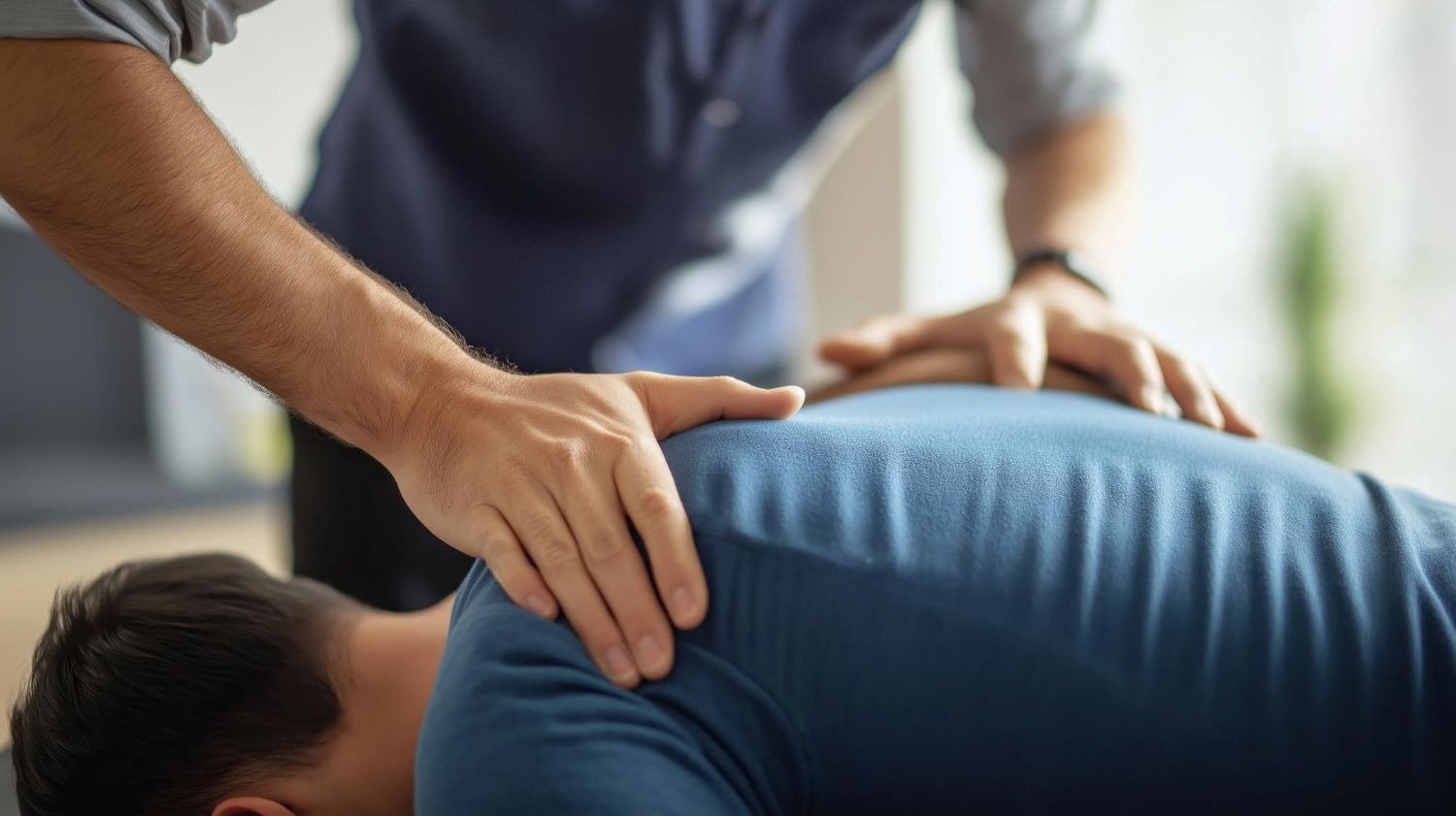
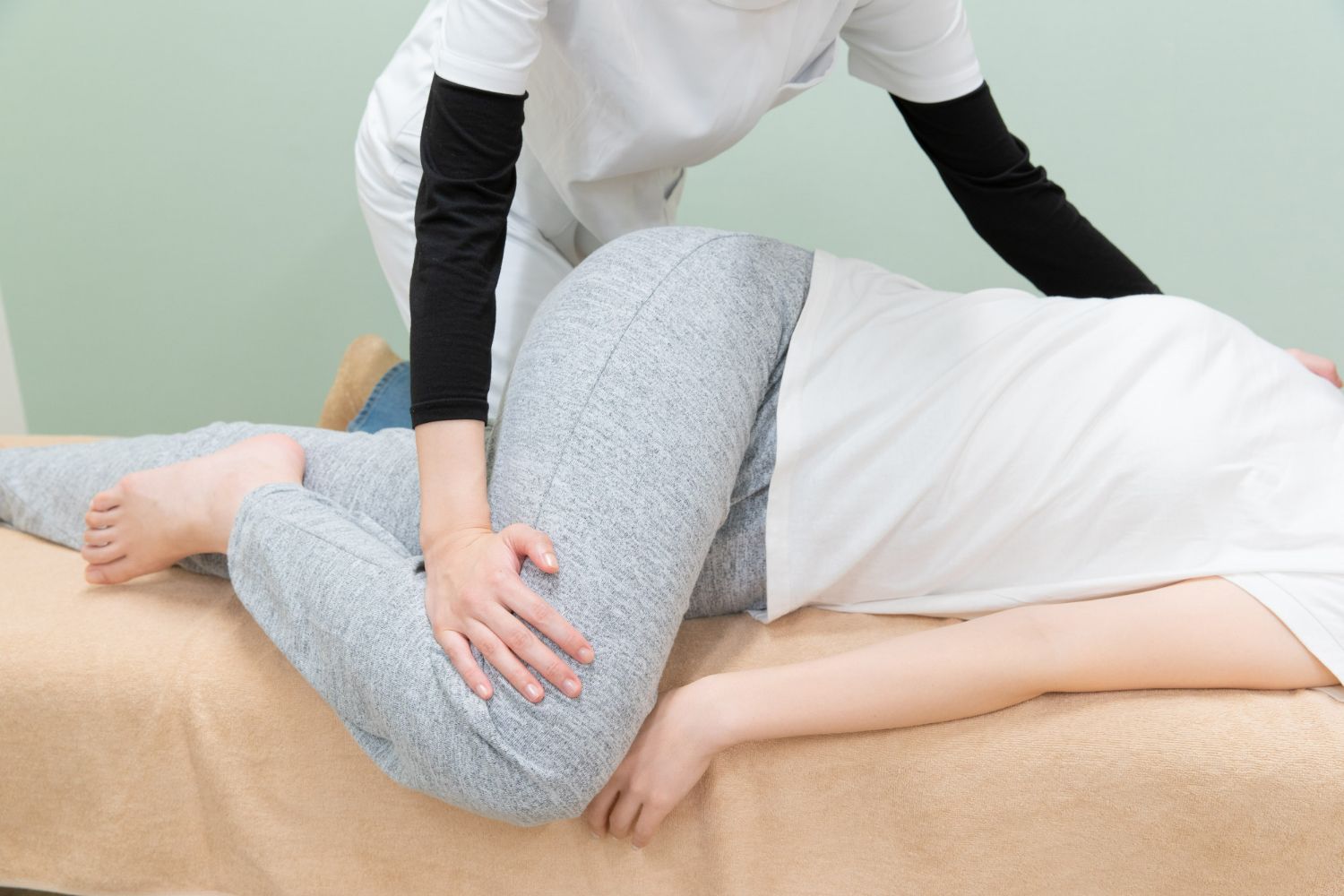
Proper circulation also relies on flexible, healthy muscle tissue. Patients who sit all day frequently benefit from adding massage therapy to their wellness routine. Loosening tight calves and hamstrings ensures the venous system operates with minimal physical resistance. For those returning to physical activity after work, coordinating your compression wear with a dedicated physiotherapy program ensures your legs remain light and responsive.
Frequently Asked Questions
How long do I need to wear them during the day?
You should put the garments on first thing in the morning before any daily swelling begins. Keep them on throughout your stationary working hours and remove them before you go to sleep.
Are these garments covered by workplace health benefits?
Most extended health plans cover these garments when they are officially prescribed by a healthcare provider for conditions like DVT prevention or chronic venous insufficiency.
Will my legs become dependent on the support?
No. Graduated compression supports the mechanical function of your veins without causing muscle atrophy. They protect the valves from permanent stretching, preserving your natural circulatory health for the future.
Protecting Your Circulatory Health
Ignoring daily leg fatigue allows correctable circulatory strain to become permanent vein damage. Your daily office routine does not have to end with painful and swollen ankles. Schedule an assessment with our team to find the precise compression profile your legs require.
Share This Blog